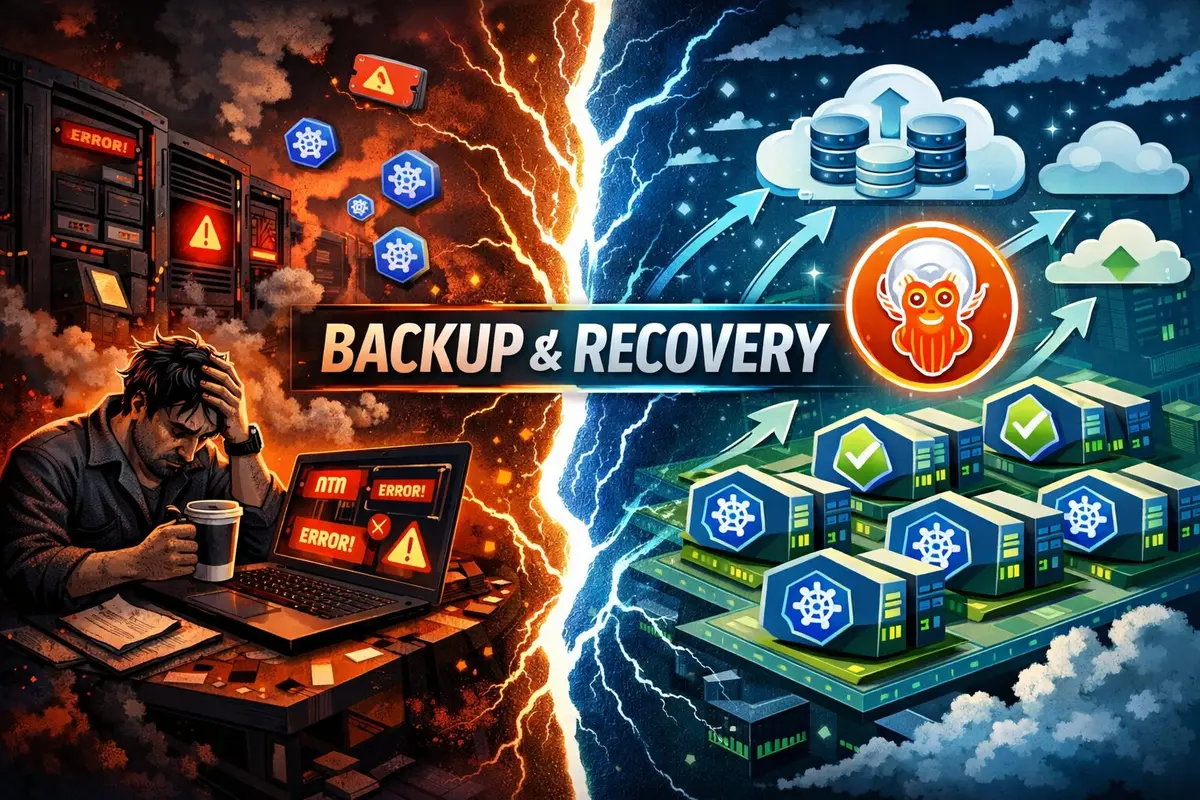
ArgoCD Backup and Disaster Recovery: Never Lose GitOps State
From understanding where ArgoCD stores its configuration to implementing automated backups and high availability—a practitioner’s guide to making your GitOps control plane bulletproof
From understanding where ArgoCD stores its configuration to implementing automated backups and high availability—a practitioner’s guide to making your GitOps control plane bulletproof

The Winter Solstice happens in December, but Makara Sankranti falls in January. This explores the fascinating astronomy, calendar systems, and tradition that explain why both are correct—and why they continue to drift apart.
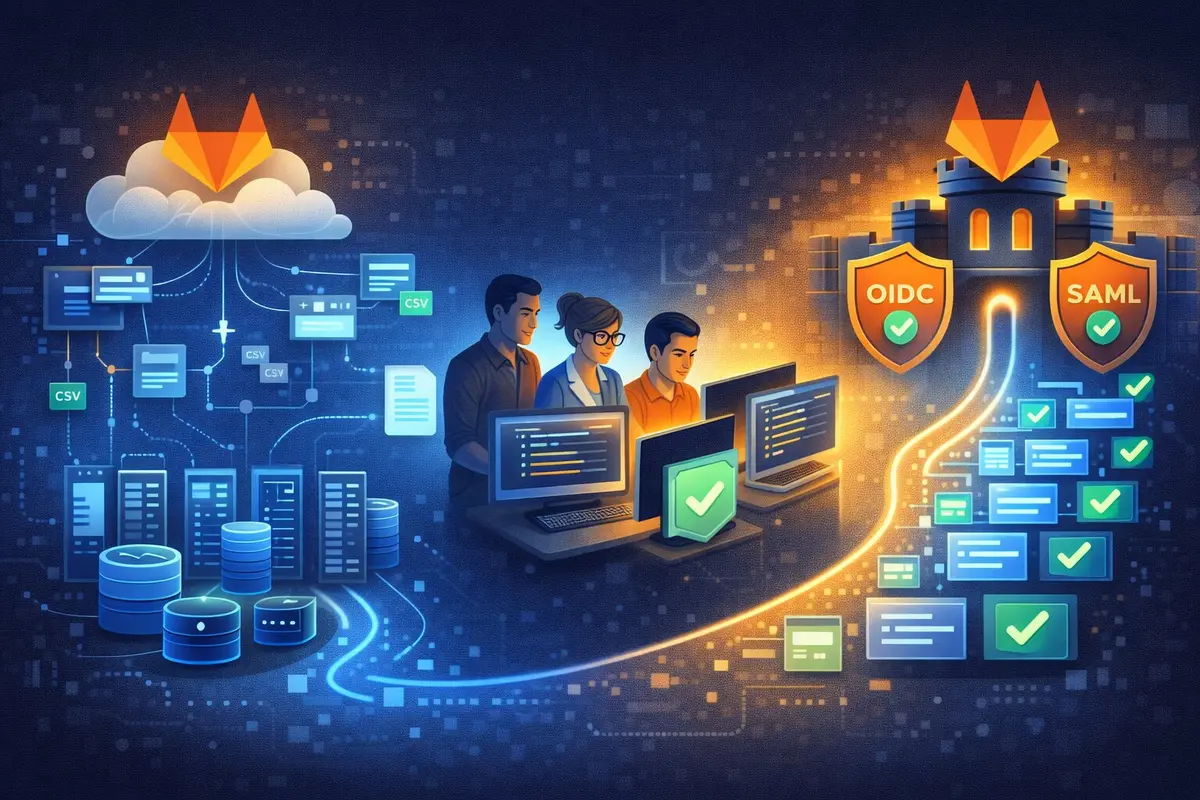
How Team Mavericks at DevOps Den migrated 100+ GitLab projects behind the corporate firewall—complete with the challenges faced, lessons learned, and production-ready automation scripts that got them across the finish line
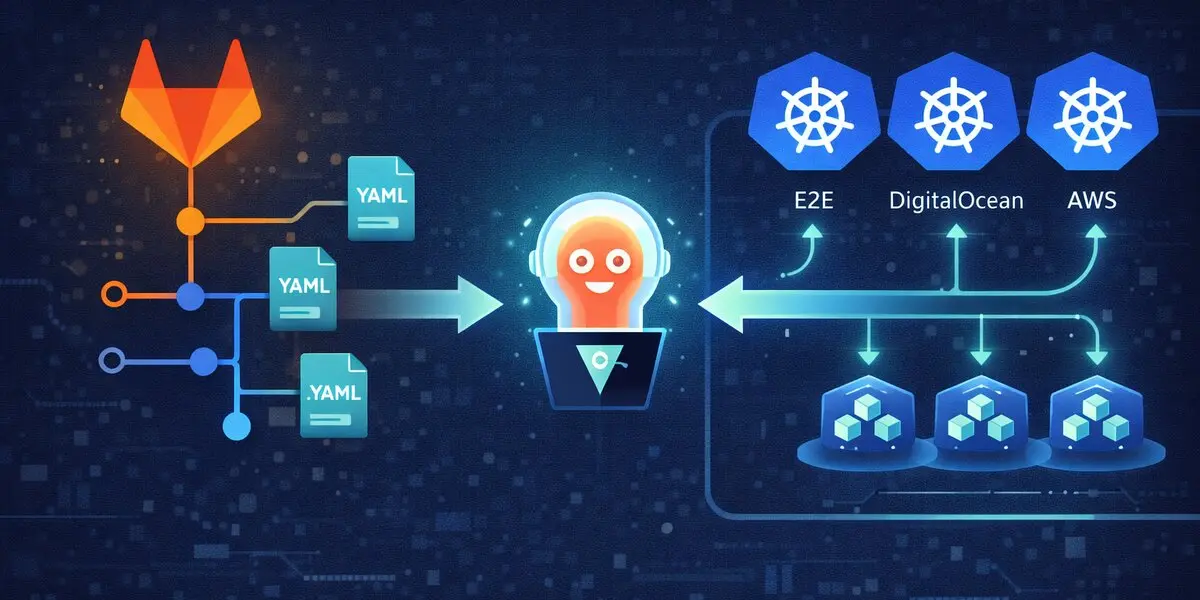
A practitioner’s guide to production-grade GitOps, automation, and Kubernetes migrations—from first install to managing 50+ applications across E2E, DigitalOcean, and AWS EKS clusters
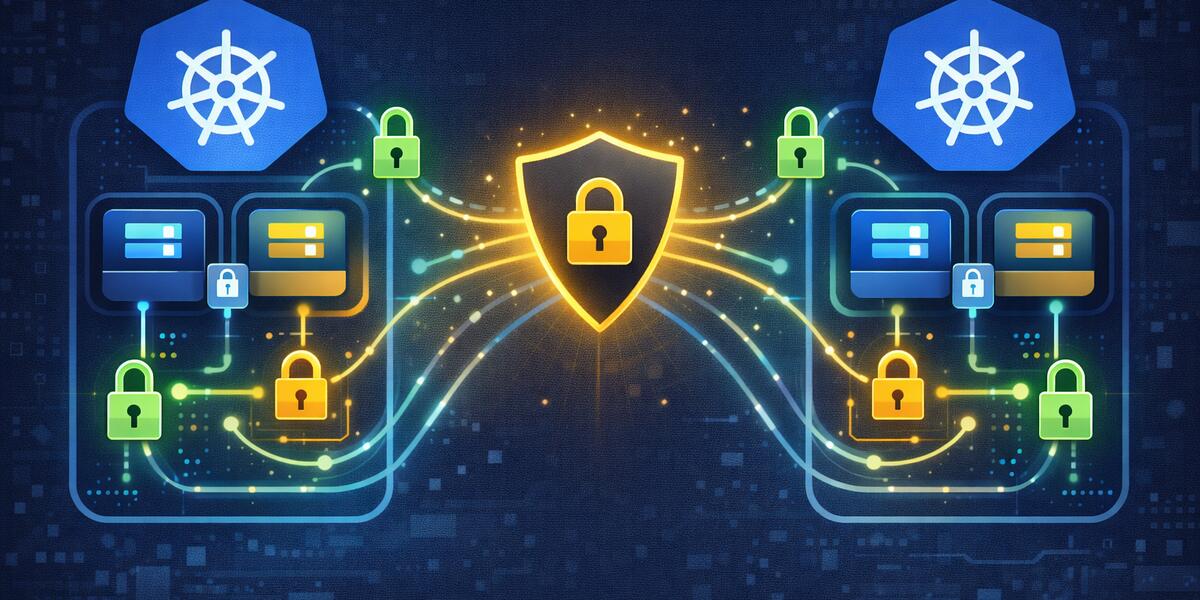
A real-world journey with HashiCorp Vault, HA Raft, and multi-cluster secret injection, built from production lessons, not lab demos.

You built a comments system. Users are submitting feedback. But you only find out when you remember to check the D1 console. By then, someone has been waiting days for a response. This post covers three approaches to getting notified when form submissions arrive: instant emails, daily digests, and webhook-based notifications. Each has trade-offs in complexity, cost, and flexibility. The Problem The comments system from my previous post stores submissions in Cloudflare D1. Moderation happens manually via SQL queries in the D1 console. This works, but it requires actively checking for new submissions. ...

A pragmatic introduction to open source for enterprises, focusing on choice, governance, and real-world decision making rather than ideology or cost alone.
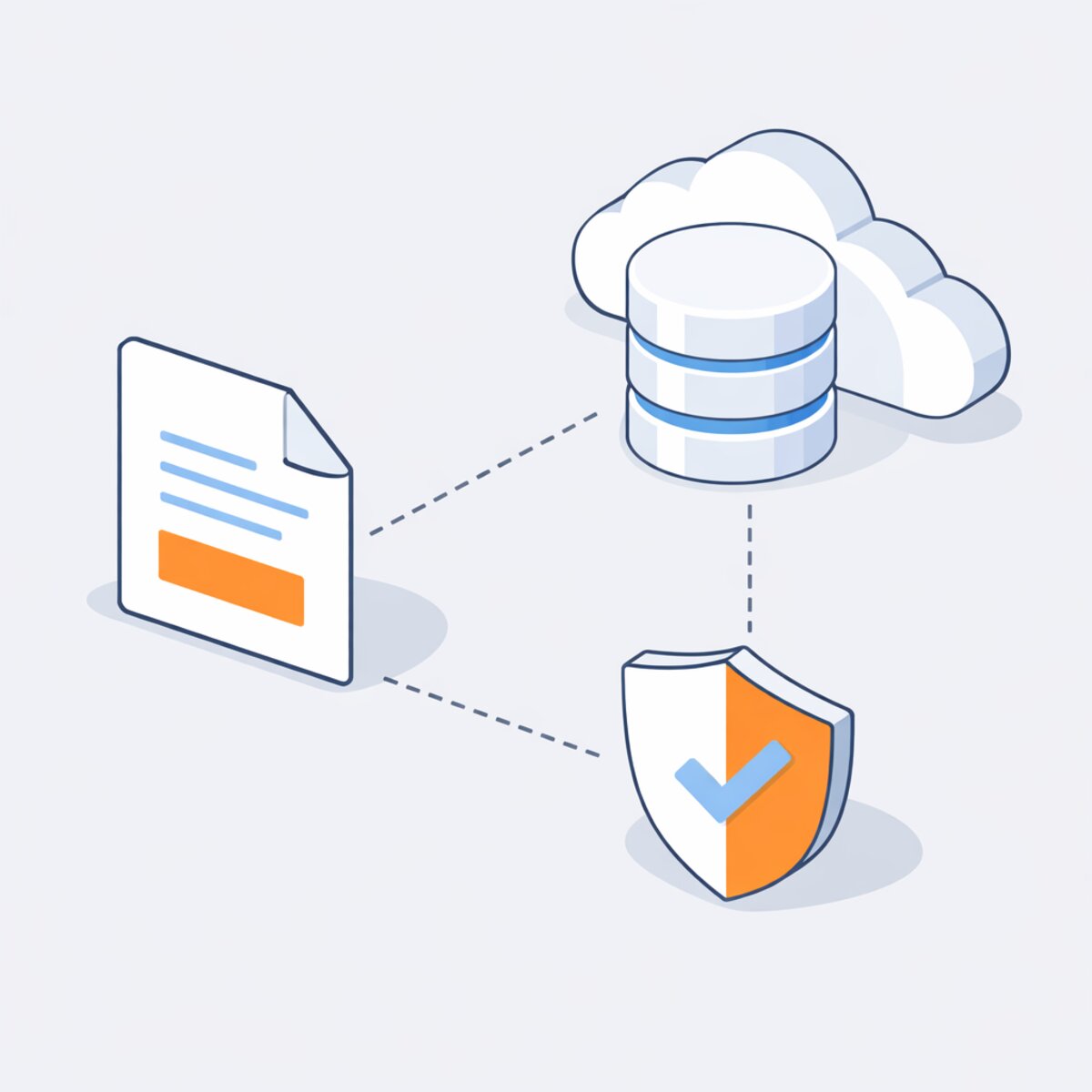
Static sites are fast, secure, and simple to deploy. But they lack one thing out of the box: interactivity. Comments, likes, and other dynamic features traditionally require a backend. This tutorial walks through how I built a comments and likes system for this site using Cloudflare’s serverless stack: D1 (SQLite database), Pages Functions (serverless API), and Turnstile (spam protection). No external services. No third-party tracking. Everything runs on Cloudflare’s edge network. ...

What a traditional cooking oil taught me about how institutions think about risk, familiarity, and trust, and why the same flawed logic shapes enterprise attitudes toward open source software.

Exploring the resurgence of static websites and why they might be the right choice for your next project.