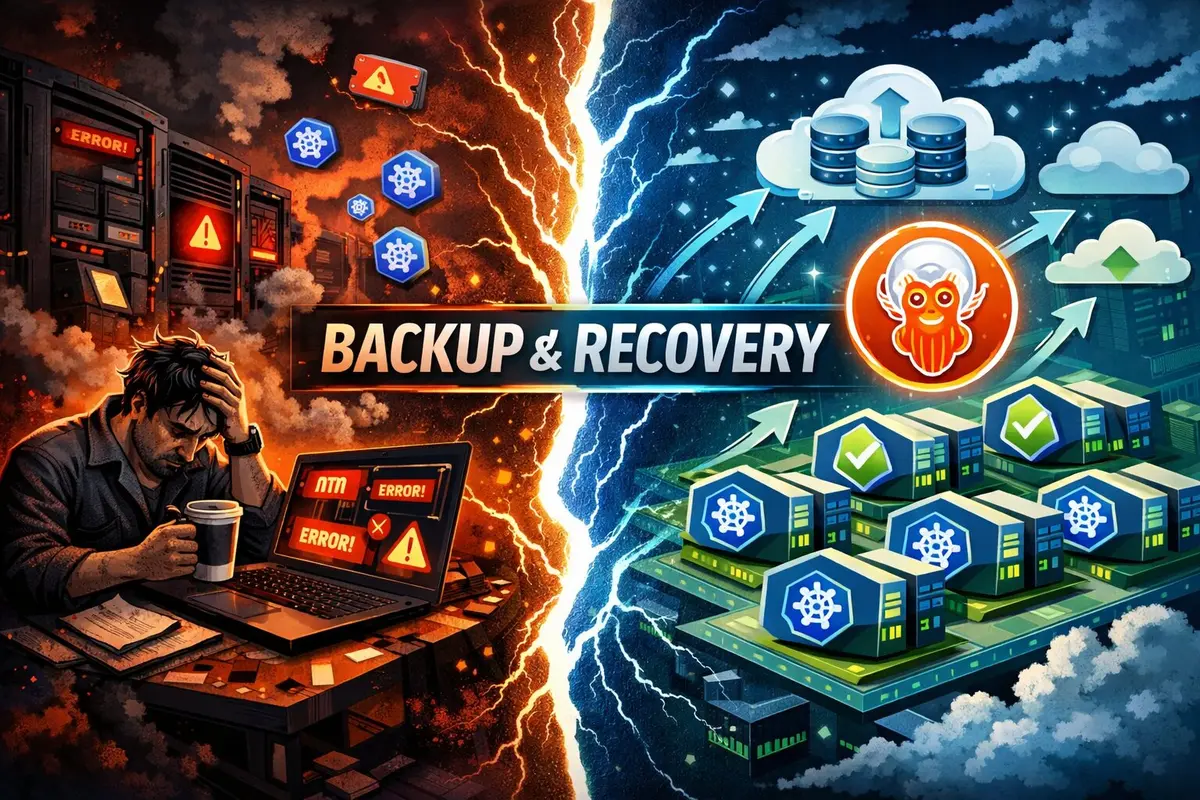
ArgoCD Backup and Disaster Recovery: Never Lose GitOps State
From understanding where ArgoCD stores its configuration to implementing automated backups and high availability—a practitioner’s guide to making your GitOps control plane bulletproof
From understanding where ArgoCD stores its configuration to implementing automated backups and high availability—a practitioner’s guide to making your GitOps control plane bulletproof

How Team Mavericks at DevOps Den migrated 100+ GitLab projects behind the corporate firewall—complete with the challenges faced, lessons learned, and production-ready automation scripts that got them across the finish line
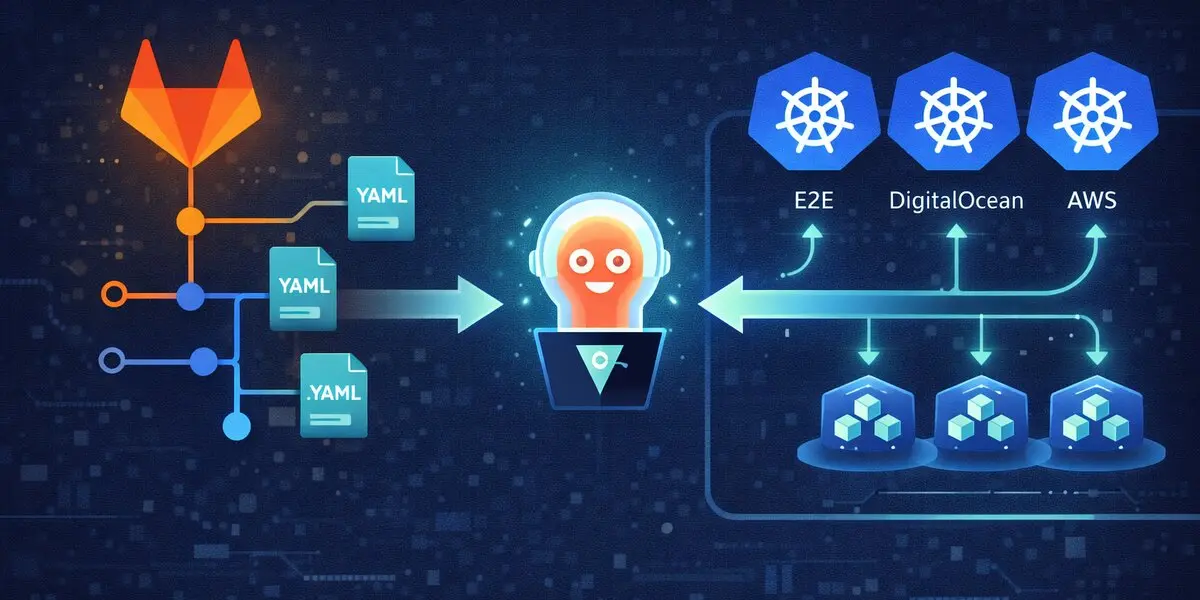
A practitioner’s guide to production-grade GitOps, automation, and Kubernetes migrations—from first install to managing 50+ applications across E2E, DigitalOcean, and AWS EKS clusters

You built a comments system. Users are submitting feedback. But you only find out when you remember to check the D1 console. By then, someone has been waiting days for a response. This post covers three approaches to getting notified when form submissions arrive: instant emails, daily digests, and webhook-based notifications. Each has trade-offs in complexity, cost, and flexibility. The Problem The comments system from my previous post stores submissions in Cloudflare D1. Moderation happens manually via SQL queries in the D1 console. This works, but it requires actively checking for new submissions. ...
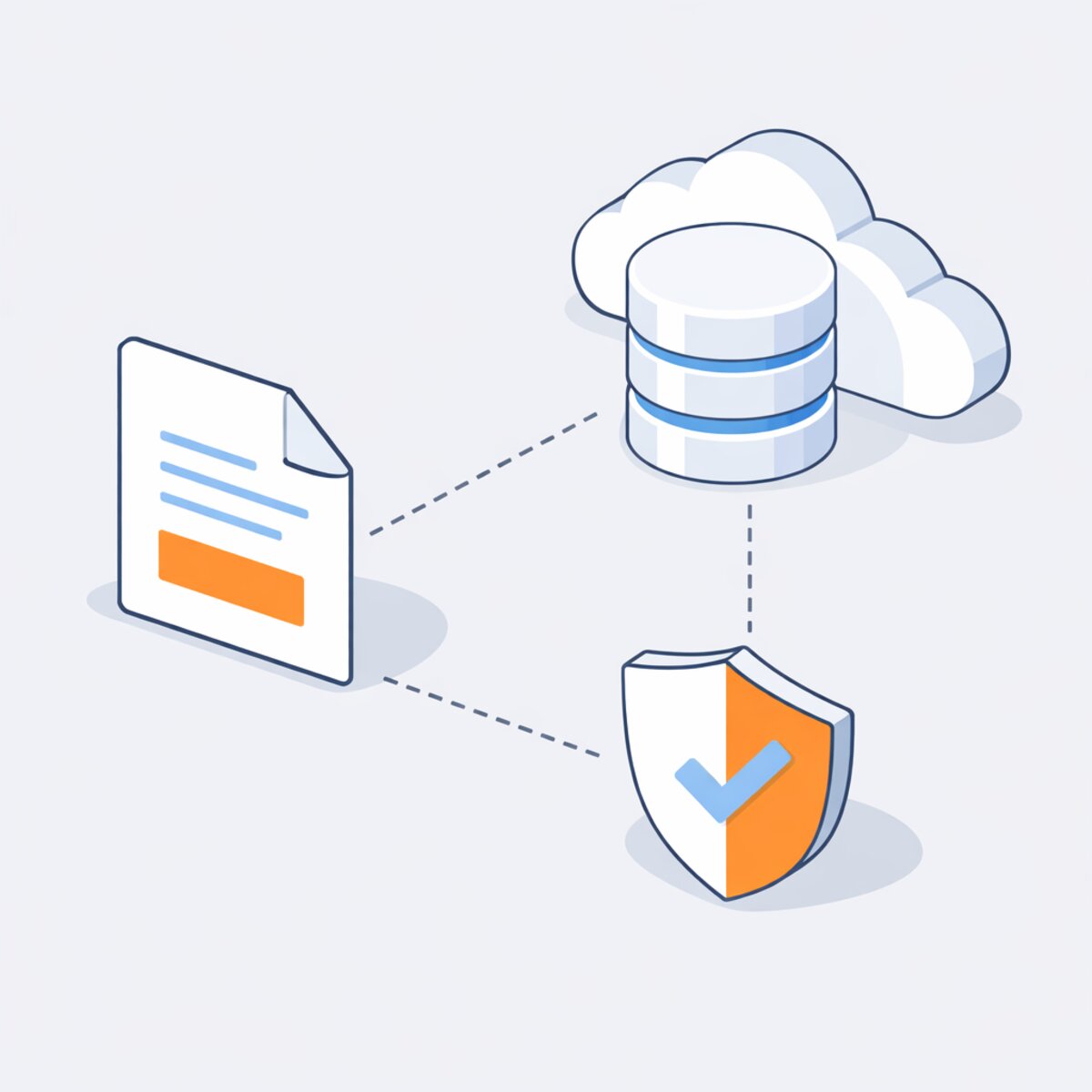
Static sites are fast, secure, and simple to deploy. But they lack one thing out of the box: interactivity. Comments, likes, and other dynamic features traditionally require a backend. This tutorial walks through how I built a comments and likes system for this site using Cloudflare’s serverless stack: D1 (SQLite database), Pages Functions (serverless API), and Turnstile (spam protection). No external services. No third-party tracking. Everything runs on Cloudflare’s edge network. ...
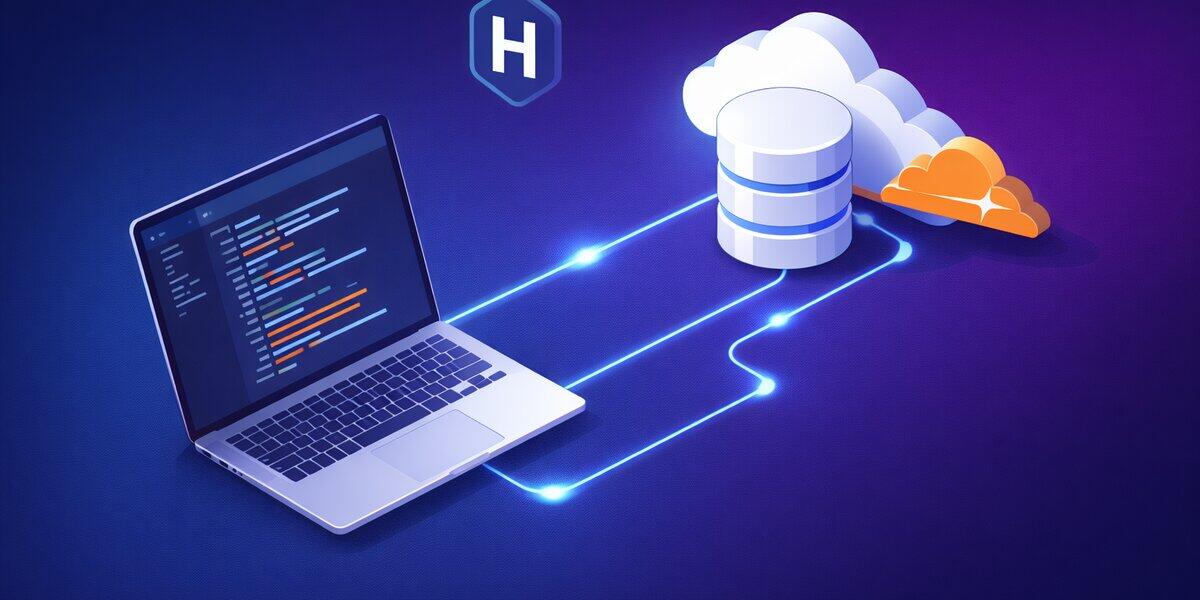
A beginner’s guide to setting up a Hugo static site and deploying it on Cloudflare Pages for free.
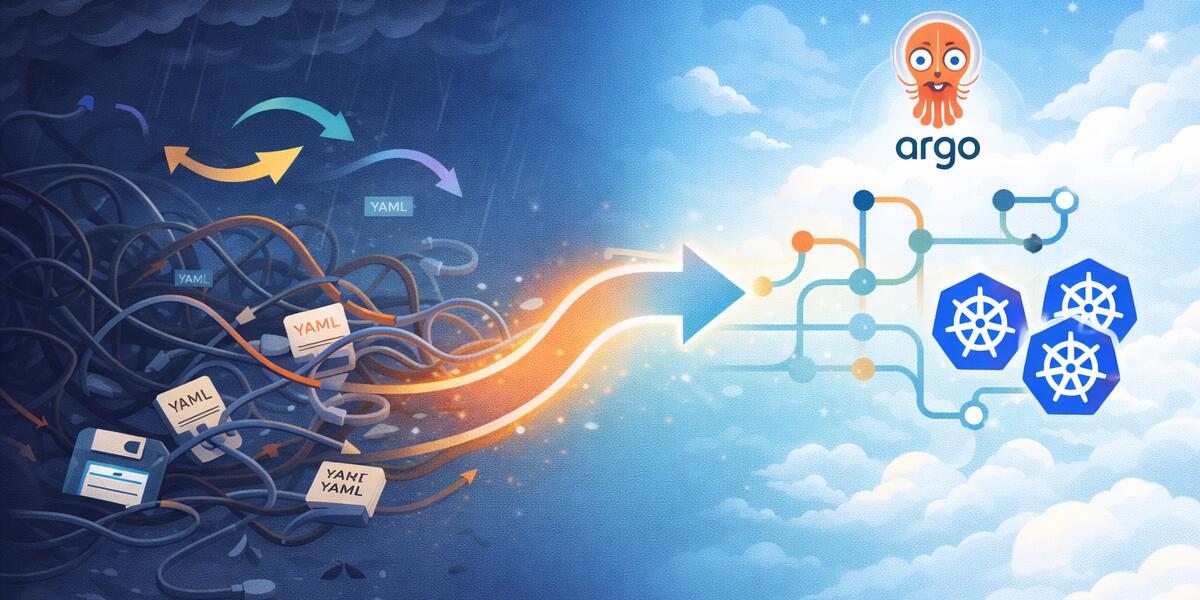
How a forced Kubernetes migration exposed our deployment chaos and led us to embrace GitOps with ArgoCD as our single source of truth.